Speakers
The first day of the conference part 1
The first day of the conference part 2
Second day of the conference
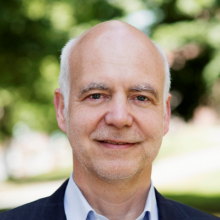
Charité-Universitätsmedizin Berlin, Sleep Medicine Center, Germany
“Recording and Analysis of Human Sleep”
Certificate: Thomas_Penzel.pdf
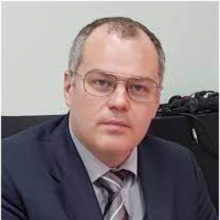
Shemyakin-Ovchinnikov Institute of Bioorganic Chemistry, Russian Academy of Sciences, Moscow, Russia. Faculty of Biology, Moscow State University, Moscow, Russia. Sechenov First Moscow State Medical University, Moscow, Russia.
“The brain active milieu”
We propose the morphofunctional concept of the ‘active milieu’ of the brain, which is based on the dynamic interposition and interaction among compartments of neurons, astrocytes, oligodendrocytes, microglia, blood vessels, extracellular space, and extracellular matrix. The active milieu integrates previous concepts of synaptic and extrasynaptic signaling, multipartite synapse, neurovascular unit, and volume transmission.
Certificate: Alexey_Semyanov.pdf
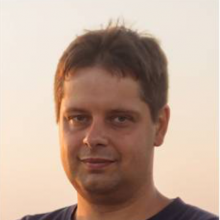
Faculty of Biology, Moscow State University, Moscow, Russia, Shemyakin-Ovchinnikov Institute of Bioorganic Chemistry, Russian Academy of Sciences, Moscow, Russia.
"Links between spatially detailed models of astrocytic Ca2+ activity and interpretation of Ca2+ imaging data"
Astrocytes create an active environment for the networks of neurons, regulating the metabolic characteristics of nerve tissue and modulating synaptic connections. We combine new data on astrocyte morphology with the equations of calcium dynamics in astrocytic processes. To this end, we create realistic patterns of spatial networks based on experimental data and associate them with model equations determined by local cell morphology.
Certificate: Alexey_Brazhe.pdf
Saratov State University, Saratov, Russia
“From neurovascular connections to brain drainage: a missing link and a model studies”
We are looking for the missing link between neurovascular connections and brain drainage. Using mathematical modeling as a tool, we discuss possible mechanisms and playable hypotheses.
Certificate: Dmitry_Postnov.pdf
Lecturer, University of Zurich; researcher at University Hospital Zurich and University of Bern
In 2015, meningeal lymphatic vessels (mLVs) were (re)discovered in mice and human dura specimens. Two years later, the first report was published showing that mLVs can be detected in humans in vivo by high resolution 3 Tesla magnetic resonance imaging (MRI). In 2017 and 2018, two further studies reported the successful MRI-based detection of mLVs in vivo in humans. The aim of our study was to provide further evidence of the possibility to detect mLVs in vivo with MRI in humans. To this end, MR images already available from one subject (the first author, FS) were analyzed. We detected mLVs in the coronal plane at the bilateral superior lateral corners of the superior sagittal sinus (SSS) as well as below the SSS, in agreement with the two other published reports about the in vivo detection of mLVS in humans with MRI. Our report is thus an additional report about in vivo MR imaging of human mLVs.
Certificate: Felix_Scholkmann.pdf
Center of Mental Health, Klinikum Ingolstadt, 85049 Ingolstadt, Germany
Relevance of Positional Therapy in Sleep for the Glymphatic System
It could be shown in rats that the glymphatic system is basically influenced by the body position, showing that the lateral position should be preferred. Additionally, the supine position during sleep is often associated with an increased number of obstructive apneas. These in turn disrupt sleep continuity and the achievement of deep sleep, which is highly relevant for the activity of the glymphatic system. Apneas therefore also hinder the glymphatic system. The supine position during sleep should therefore be avoided as far as possible. For the so called positional therapy exist different possibilities and will be presented. It could be shown in rats that the glymphatic system is basically influenced by the body position, showing that the lateral position should be preferred. Additionally, the supine position during sleep is often associated with an increased number of obstructive apneas. These in turn disrupt sleep continuity and the achievement of deep sleep, which is highly relevant for the activity of the glymphatic system. Apneas therefore also hinder the glymphatic system. The supine position during sleep should therefore be avoided as far as possible. For the so called positional therapy exist different possibilities and will be presented.
Certificate: Marcel_Zeising.pdf
College of Liberal Arts, Hongik University, Republic of Korea
A comparison of Bonghan theory and PVS research
In the 1960s, the group led by Bonghan Kim asserted the existence of a fundamental circulatory system in the human body which was structurally and functionally distinct from the blood, lymphatic, and nervous systems. Their findings were published in five papers as well as in the newspaper Rodong Sinmun. The size of the group, the range of equipment, and their findings expanded gradually, and the final paper on blood cells would be only published one of over sixty papers reported at that time. In the five papers, some unclear or inconsistent content was found. Meanwhile, over the past two decades in the 2000s, PVS researchers have published over one hundred papers which aimed to prove the existence of this new circulatory system by developing new dyeing and microscopic observation methods. Some trends have emerged in approximately sixty papers, which can be summarized as follows: The research on the identification of the anatomical and histological characteristics has gradually expanded to encompass the system's own functioning. Also, new visual results (e.g. before and after dyeing, and its comparison with blood clotting) and the exploration of possible medical applications (e.g. cancer metastasis channels or stem cells location) have been proposed. However, it is difficult to identify papers which comprehensively represent the structural and functional elements claimed by Bonghan Kim's group. In addition, relevant papers have been published to a greater extent in alternative or Oriental medicine journals than in Western biology or medical journals. Therefore, it seems necessary to demonstrate more existence of the system in one laboratory animal, and to report the outcomes in more influential journals.
Certificate: Hoongi_Kim.pdf
College of Health and Medical Sciences, Sangji University, Wonju 26339, Republic of Korea
Immunotherapeutic effect of anti-CD3 monoclonal antibody on Primo Vessels inside Lymph Vessels
Foralumab, used as an immunotherapeutic for COVID-19, works by binding to CD3 in the T-cell complex, which inhibits a cytokine storm through three major processes: antigenic modulation, anergy, and apoptosis. Our study showed that injecting the Foralumab into the lymph node of rabbits inflamed with LPS resulted in a thicker and an apparent floating primo vessel, indicating that Foralumab induced changes in the lymphatic immune system. Our findings suggested a possible functional role of the PVS in pathophysiological conditions.
Certificate: Sang-Suk_Lee.pdf
Saratov State University, Astrakhanskaya str., 83, Saratov, 410012, Russia Saratov Branch of the Institute of RadioEngineering and Electronics of Russian Academy of Sciences, Zelyonaya, 38, Saratov 410019, Russia
“Revealing signs of opening the blood-brain barrier using spectral analysis and calculation of nonlinear characteristics of intracranial electroencephalograms”
We analyzed the two-channel signals of the local fields potentials of rats from invasive EEG electrodes. We used linear methods of spectral analysis and calculation of the coherence function. In addition, using nonlinear methods of analysis of directional connections using the simulation of instantaneous phases of oscillations EEG and cross recurrence analysis, the relationships between EEG derivations were analyzed. Signal analysis was carried out in the low-frequency range, including slow wave activity (0.1-0.05 Hz), d-range (1-4 Hz) and q-range (4-7 Hz).
It has been shown that the spectral power density increases, and the coherence function between leads decreases during the transition from the waking state to the sleep state and further increases after sound exposure and in the state of anesthesia. The quantitative index maximal diagonal line significantly increases with the opening of the BBB, and the directional coupling coefficient significantly decreases in the q-range.
Certificate: Anatoly_Karavaev.pdf

Postdoctor, Britton Chance Center for Biomedical Photonics, Wuhan National Laboratory for Optoelectronics, Huazhong University of Science and Technology, Wuhan, Hubei 430074, China.
Noninvasive technology of photostimulation of lymphatic clearance of red blood cells from the mouse brain after intraventricular hemorrhage
Intraventricular hemorrhage (IVH) is the most fatal form of brain injury in adults and infants. However, therapy of IVH is very limited, and new strategies are needed to reduce hematoma expansion. For the first time, in our experiments on mice with IVH, we clearly demonstrate that transcranial low-level infra-red photostimulation (PS) accelerates the red blood cells (RBCs) evacuation from the ventricles that is associated with reducing the mortality, improving behavior and recovery of intracranial pressure. We revealed the mechanisms of PS-modulation of lymphatic contractility and tone of the lymphatic vessels underlying the lymphatic clearing functions. Our findings strongly suggest that PS-mediated stimulation of lymphatic clearance of RBCs can be a novel non-invasive, bedside, readily applicable, and commercially viable technology for the treatment of IVH.
Certificate: LI_Dongyu.pdf

Irkutsk Somnological Center, Irkutsk, Russia
“Sleep EEG pattern in childhood: from newborn to adolescent”
PhD. leading researcher at the laboratory of somnology and neurophysiology of Scientific Centre for Family Health and Human Reproduction Problems, Irkutsk
It’s well known, that sleep is as important for good health as diet and exercise. It is particularly important for children and adolescents as they need to grow and develop. Quality sleep is necessary to ensure the plasticity of the brain, growth and maturation, development and improvement of mental abilities, to prevent some chronic diseases. The aims of our studies are to evaluate macro/micro sleep pattern features in children and adolescents with some diseases such as obesity and sleep apnea as well as their relationships with hormonal and molecular parameters for search any biomarkers and predictors both of somatic pathologies and neurocognitive decline. Our findings suggested a possible functional role of slow wave activity deficit and sleep spindle properties changes in early dysfunction of β-amyloid metabolism as predictor of cognitive impairment.
Certificate:

FORTH/IESL, N. Plastira 100, 70013, Crete, Greece.
Laser-based 3D printing for Biomedical Applications
We present our work into 3D printing by multi-photon polymerization, for applications in medical implants and tissue engineering. We discuss the basic principles, and show that tuning the material properties and topography can lead to improved functionalities.
Certificate: Maria_Farsari.pdf
Head of Cardiovascular Physics at the Department of Physics of the Humboldt-Universität zu Berlin, Robert-Koch-Platz 4, 10115 Berlin, Germany
Cardiorespiratory coupling analysis during sleep
The various regulatory systems in the human body are most certainly interconnected, even if the complete understanding of their interrelation has so far eluded all efforts. Our work focuses on the coupling between heart activity and respiration. Hildebrand postulated a fixed pulse respiration quotient of 4:1, especially during the last two sleeping hours, as healthy. One well known interaction is the respiratory sinus arrhythmia (RSA), a change in the heart rate according to the current position in the respiratory cycle. Another such previously found effect is mainly interpreted according to the well understood physical principle of phase synchronisation. While RSA was suspected to be causal in the emergence of the synchronisation effect, it was shown to be independent. Work on a new coupling effect based in time instead of phase, coordination, begged the question of its relationship to the previously known ones. This talk describes the differences to synchronization, it shows its independence from RSA and possible application in sleep medicine.
Certificate: Niels_Wessel.pdf
LIFE-Center at Department of Urology at Hospital of University of Munich, Munich, Germany
Fluorescence Guided Procedures and Photodynamic Therapy in Neurosurgery
This lecture gives an introduction about the application of photoactive drugs and their use for fluorescence guided resection, optical guided biopsy and photodynamic therapy in neurosurgery. Besides the medical needs, requests and boundary conditions the physics and technical research and developments will be presented aiming in clinical applications. Preliminary study results as well as the potential of optical dosimetry concepts based on light-tissue interaction and light-photosensitizer interaction are included summarizing the latest developments in this field.
Certificate: Ronald_Sroka.pdf
Aston University
Artificial fully functioning 3D tissue models based on human stem cell technology for diseases modelling, drugs and cosmetics pre-trials
Nano-printed 3D scaffolds opened a new era in three-dimensional functional tissue engineering. Laser-based nano-scale biomaterial printing technique makes possible customised cell growth supporting scaffolds of required architecture. Consequent three EU funded research projects gave us opportunity to develop technologies for 3D neuronal cells networking cultures (MESO_BRAIN and Scaffolds-Need), and sensor-skin and motor-muscle models (PLATFORMA). The results partially published prove that human stem cell and laser 3D-printing technologies together enable developments of different functional 3D tissue engineering for biomedical and cosmetic applications.
Certificate: Sergey_Sokolosky.pdf
Head of Sleep Medicine Department of Sechenov University, Moscow, President of Russian Society of Somnologists
Introduction to sleep disorders
Disordered sleep leads to the cognitive malfunction and emotional distress. Insuffisient sleep duration and quality promotes th development of clinical conditions like hypertension, diabetes mellitus and depression. The most prevalent sleep disorders in general population are insomnia (10%), obstructive sleep apnea (5%) and restless legs syndrome (2,5%). The causes and consequences of these disorders will be discussed.
Certificate: Mikhail_Poluektov.pdf

Humboldt-University Berlin, Saratov State University & Potsdam Institute for Climate Impact Research
Complex Networks: A Universal Approach in Physiology?
In human beings the brain, the system of organs, or genes, the cardiovascular system and various others are composed of various subsystems, which are interacting through several mechanisms. Therefore, their description via complex networks looks appropriate. In this lecture first, some basics of complex networks are given, then potentials and limits of their applications to physiological systems are presented and finally challenging problems are discussed.
Certificate: Juergen_Kurths.pdf

College of Veterinary Medicine, Seoul National University, Seoul 08826, Republic of Korea
Adrenergic modulation of rat organ surface primo vascular system (PVS) tissue
Primo vascular system (PVS) discovered in 1960s is now considered as a novel vascular system composed of nodes and vessels. Previously we observed that the size of the organ surface PVS tissue samples and the number of red-colored tissue are larger in the rats with heart failure (HF) [1], or hemolytic anemia [2]. Based on these and other previous observation [3], we hypothesized that the reduced tissue perfusion in both disease models induces sympathetic hyperactivation which in turn brings the morphological changes in the PVS tissues. Here, we first examined whether exercise training also inhibit the HF-induced-morphological changes in the PVS since exercise training is known to reduce the elevated sympathetic tone in HF [4]. HF model rats were prepared by ligating the left descending coronary artery. In HF rats, we observed an increase in the size of the primo nodes (p<0.01), the number of the PVS tissue samples per rat (p<0.05), the proportion of PVS tissue samples with red chromophore (p<0.001), and the number of RBCs (p<0.001) in the primo nodes. Exercise training ameliorated these HF-induced changes in the PVS. Blocking sympathetic activity with 6-hydroxydopamine, a chemical sympathectomy agent dramatically reduced the number of samples per rat in normal rats. In the rats with hemolytic anemia induced by phenylhydrazine, the treatment of 6-hydroxydopamine also normalized the enlarged primo node size (p<0.05) and the elevated proportion of the tissues with red chromophore (p<0.001). The increase in the size and number of the samples per rat was induced by administration of noradrenaline via subcutaneous osmotic pump. In contrast, the incidence of the tissue with red chromophore was not altered by noradrenaline. The noradrenaline-induced enlargement of the PVS tissue were blocked in the rat treated with propranolol (b-adrenoceptor antagonist), but not with phentolamine (a-adrenoceptor antagonist). Taken together, the results indicate that sympathetic stimulation may induce the enlargement of PVS tissue via b -adrenoceptor in the rats with heart failure or hemolytic anemia. This study newly provides experimental evidence for sympathetic modulation of the PVS tissue and will help understand the pathophysiological roles of the PVS in health and disease states.
Certificate: Pan-Dong_Ryu.pdf
Institute of Clinical Medicine, FSAEI HE I. M. Sechenov First Moscow State Medical University (Sechenov University)
“Anatomy and morphology of the lymphatic system”
Lymphatic tissues are highly specialized and unique structures, making up for a large portion of the human body. The specific molecular and genetic profiles of lymphatic endothelial cells, as well as anatomical and morphological peculiarities underline the uniqueness of this system. Understanding them is a key to solving unresolved problems in lymphatic pathology.
Certificate: Mikhail_Sinelnikov.pdf
Saratov State University, Saratov, Russia
“Machine learning methods for the analysis of EEG-markers of the permeability of the blood-brain barrier”
The blood-brain barrier plays a decisive role in protecting the brain from toxins and pathogens. The ability to analyze the BBB opening (OBBB) is crucial for the treatment of many brain diseases, but it is very difficult to noninvasively monitor OBBB. Using methods of machine learning and neural networks we can analyze the ECoG realizations of healthy rats in free behaviour and after music-induced OBBB. After the music impact the number of recognized OBBB is increased in about 50%.
Certificate: Nadezhda_Semenova.pdf
University of Oulu, Oulu, Finland
The Glymphometer - towards wearable monitoring of human neurohydrodynamics
The Glymphometer is an easy-to-use wearable brain monitoring device, aiming to measure relevant parameters for diagnostics of glymphatic function and its possible abnormalities. Currently in development, the headband-based device can be used for continuous brain monitoring, both during awake and sleep. The main modalities of the device are multiwavelength functional near-infrared spectroscopy (fNIRS) and direct current electroencephalography (DC EEG) for measurement of neurohydrodynamics.
Certificate: Teemu_Myllylä.pdf

Department of optic and biophotonics, Saratov State University, Saratov, Russia
Imaging and photostimulation of meningeal lymphatics
Experimental approaches and techniques for imaging and characterization of meningeal lymphatics are overviewed. Despite its limited penetration depth optical imaging remains the most advantageous technique for studies of lymphatic circulation on animal models. The optical technologies not only capable for minimally invasive visualization of brain functioning but also provide instruments for photostimulation of brain self-cleaning. The results obtained with animal models are discussed and a conception of personalized laser therapy instrument for neonatal brain hemorrhages is presented.
Certificate: Ivan_V_Fedosov.pdf
Saratov State University, Saratov, Russia
“Brain clearing, lymphatics and sleep: perspective methods for monitoring and control” “Introduction of Laboratory “Smart Sleep””
Certificate: Oxana_Semyachkina-Glushkovskaya.pdf